

Machu Picchu Archaeological Site: Discover the Lost City of the Incas
The Machu Picchu archaeological site is one of the most famous and captivating destinations in the world. Nestled high in the Andes Mountains above the Urubamba River, this ancient Inca site continues to fascinate historians, archaeologists, and travelers alike. Recognized as a UNESCO World Heritage Site in 1983, Machu Picchu is an iconic symbol of the Inca Empire‘s engineering prowess and cultural significance.
What Is Machu Picchu Archaeological Site?
The Machu Picchu archaeological site is an ancient Inca city built in the 15th century, located approximately 2,430 meters (7,970 feet) above sea level. It is often referred to as the “Lost City” because it remained hidden from the outside world until its rediscovery by explorer Hiram Bingham in 1911.
Situated west of Machu Picchu Mountain, the site includes a complex network of terraces, temples, palaces, and plazas. It is one of the best-preserved examples of Inca ruins and showcases the civilization’s mastery of stonework and urban planning.
Who Built Machu Picchu?
Historians believe that Machu Picchu was built during the reign of Inca rulers Pachacuti Inca Yupanqui and his successors in the mid-1400s. The site served multiple purposes, possibly as a royal estate, a religious center, or a strategic retreat for the Inca Empire‘s elite.
The careful alignment of structures with celestial events, as well as its integration into the surrounding landscape, reveal the Incas’ sophisticated understanding of astronomy, agriculture, and engineering.
How to Visit Machu Picchu Archaeological Site
Most travelers visit Machu Picchu by first arriving in the town of Aguas Calientes (also known as Machu Picchu Pueblo), located at the base of the mountain. From there, a 30-minute bus ride or a hike leads up to the entrance.
You can also reach Machu Picchu by hiking the famous Inca Trail, a multi-day trek through the Andes that concludes dramatically at the Sun Gate overlooking the ancient city.
The Layout of the City of the Incas
The city of the Incas is divided into several sectors:
Agricultural Zone: Terraces that provided food and prevented landslides.
Urban Sector: Residences, temples, and plazas.
Religious Areas: Including the Temple of the Sun, Temple of the Moon, Intihuatana, and Main Temple.
Industrial Areas: Workshops and storage rooms.
The layout reflects a blend of spiritual, political, and practical considerations that governed ancient Inca urban design.
Key Structures to Explore at Machu Picchu
Temple of the Sun

The Temple of the Sun is a curved tower built atop a massive rock. It functioned as an astronomical observatory and was a sacred space for worshiping the sun god Inti. During the solstice, sunlight enters precisely through its windows, illuminating a ceremonial stone within.
Temple of the Moon
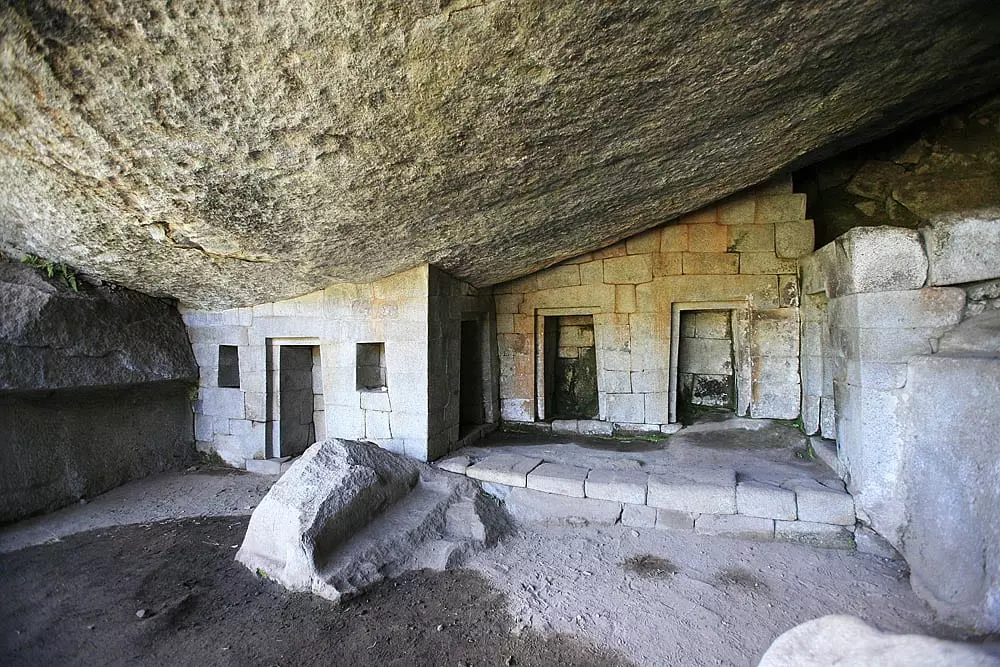
Located on the far side of Huayna Picchu, the Temple of the Moon is an extraordinary ceremonial shrine built inside a natural cave. It features finely carved stonework and is believed to have held great spiritual significance.
Intihuatana (Hitching Post of the Sun)
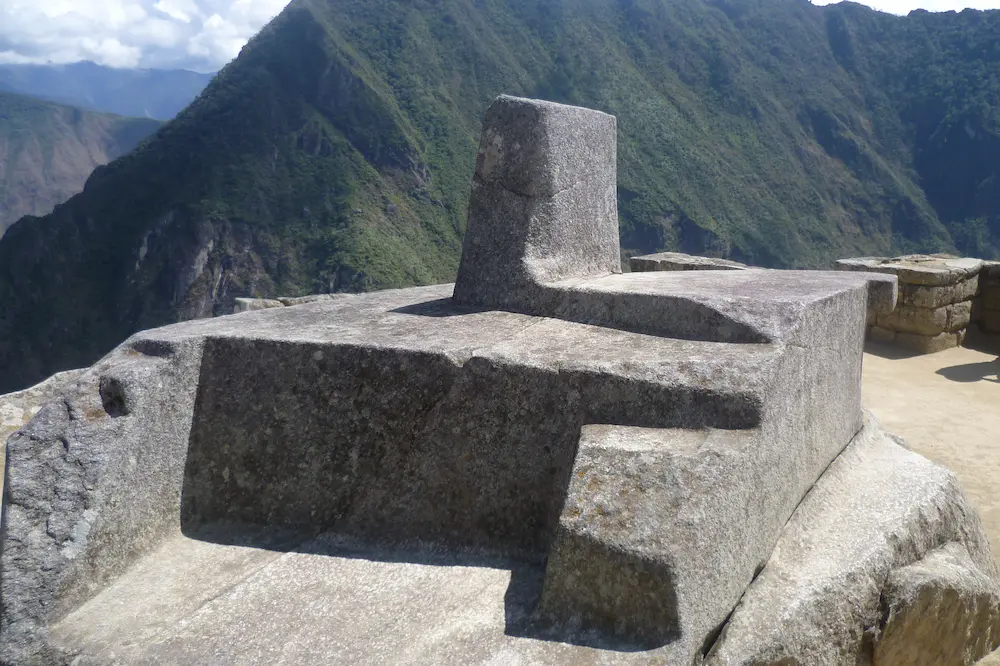
The Hitching Post of the Sun, or Intihuatana, is a carved stone believed to have served as a solar clock or calendar. This sacred object is thought to have helped priests predict solstices and equinoxes, crucial for agricultural planning.
Main Temple

The Main Temple is one of the grandest structures in the Machu Picchu archaeological site. It showcases the Incas’ impressive masonry skills with massive stone blocks precisely fitted together. It is believed to have been used for important religious ceremonies.
House of the High Priest

Next to the Main Temple, you will find the House of the High Priest, a structure likely used by important religious figures. Its proximity to major temples highlights its significance within the ceremonial life of the city.
Temple of the Three Windows

The Temple of the Three Windows is located in the Sacred Plaza. Each window frames a stunning view of the surrounding mountains and symbolizes the three realms of Inca mythology: the underworld, the earth, and the heavens.
Sacred Rock
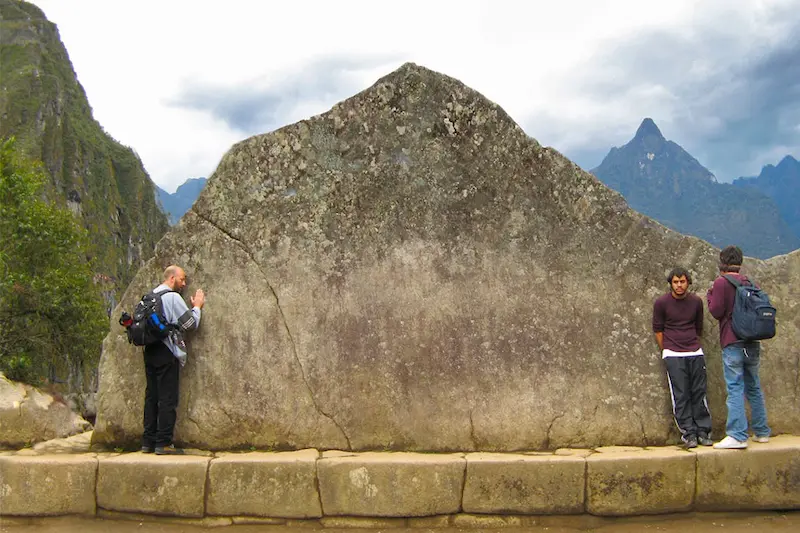
The Sacred Rock is a large, carefully shaped stone that mirrors the profile of the mountain behind it. This object was likely used for spiritual ceremonies and represents the deep reverence the Incas held for nature.
Great Cavern
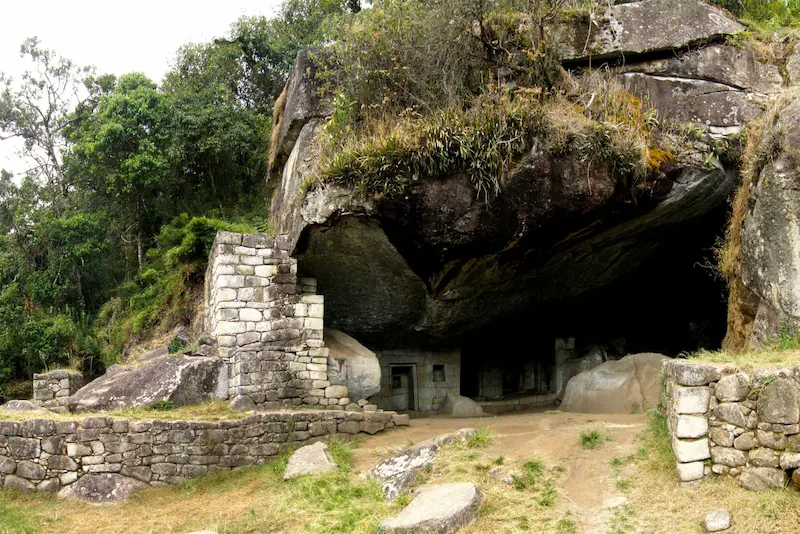
Also near the Temple of the Moon, the Great Cavern is another ceremonial site featuring niches and fine stonework, demonstrating the Incas’ ritual use of natural formations.
Sun Gate (Inti Punku)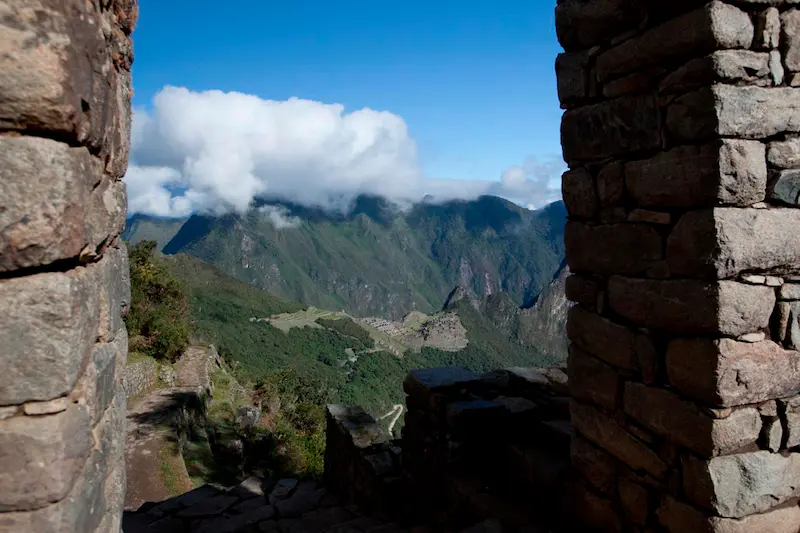
The Inti Punku or Sun Gate is a significant structure within the Machu Picchu archaeological site, serving as the original entrance for travelers arriving via the Inca Trail. Positioned at approximately 2,745 meters above sea level, this finely crafted stone gateway offers one of the most iconic views of the Lost City, especially at sunrise. Aligned with the sun during the solstice, it reflects the profound astronomical knowledge of the ancient Inca. Reaching Inti Punku involves a moderate uphill hike from the main ruins, rewarding visitors with a breathtaking panoramic perspective of Machu Picchu and its surrounding peaks.
The Rediscovery by Hiram Bingham
Although local indigenous people were aware of Machu Picchu’s existence, it was explorer Hiram Bingham who brought it to international attention in 1911. Sponsored by Yale University and the National Geographic Society, Bingham led expeditions that mapped and documented the site, although his removal of artifacts to Yale later sparked long-running disputes about cultural heritage.
Today, many of those artifacts have been returned to Peru following negotiations between Peru and Yale.
Machu Picchu as a UNESCO World Heritage Site
Machu Picchu’s designation as a UNESCO World Heritage Site in 1983 highlights its universal cultural importance. It was recognized both for its historical significance and its harmonious integration with the stunning natural landscape.
Conservation efforts aim to protect the archaeological site from the pressures of mass tourism and natural degradation. Strict regulations now govern entry to Machu Picchu to ensure its preservation for future generations.
Natural Surroundings of Machu Picchu
The Machu Picchu area is located within a cloud forest ecosystem rich in biodiversity. Visitors will encounter unique plants, colorful orchids, butterflies, and even the elusive Andean spectacled bear.
The site’s dramatic setting, surrounded by steep green mountains and the winding Urubamba River, enhances its mystical allure.
How to Reach Machu Picchu
There are several ways to reach Machu Picchu:
By Train: Departing from Cusco, Poroy, Urubamba, or Ollantaytambo, arriving at Aguas Calientes.
By Hiking: The Inca Trail, Salkantay Trek, and Inca Jungle Trek are popular multi-day adventures.
By Bus and Walking: From Hidroelectrica Station, many budget travelers hike the final leg.
Each method offers its own adventure and rewards with unforgettable views.
Best Time to Visit Machu Picchu Archaeological Site
Dry Season (May to September): Clear skies and optimal hiking conditions make this the best time to visit Machu Picchu.
Rainy Season (November to March): Fewer crowds and lush scenery, but expect slippery trails and occasional closures.
Planning ahead, especially if hiking the Inca Trail, is crucial because entrance permits and train tickets can sell out months in advance.
Tips for Visiting the Archaeological Site
Book early: Secure your Machu Picchu tickets and Inca Trail permits as soon as possible.
Hire a guide: Gain deeper insights into the site’s history and architecture.
Pack light: Bring essentials like water, sunscreen, a hat, and a camera.
Respect the rules: Stay on marked paths and avoid touching the delicate stone structures.
Acclimate properly: Spend a day or two in Cusco or Aguas Calientes to adjust to the altitude.
Conclusion: Why Machu Picchu Archaeological Site Is a Must-Visit
The Machu Picchu archaeological site is not just a travel destination; it is a journey into the heart of the Inca Empire. From its breathtaking setting above the Urubamba River to its intricate Inca ruins and sacred temples like the Temple of the Sun and Temple of the Moon, every stone tells a story of human achievement, spirituality, and resilience.
Whether you’re trekking the Inca Trail or arriving by train from Aguas Calientes, standing in the midst of the “Lost City” will leave you with a profound appreciation for the ingenuity of the ancient Inca civilization.
Prepare for an unforgettable experience as you walk the paths once traveled by Inca rulers and explorers alike, in one of the world’s most remarkable archaeological sites.

