
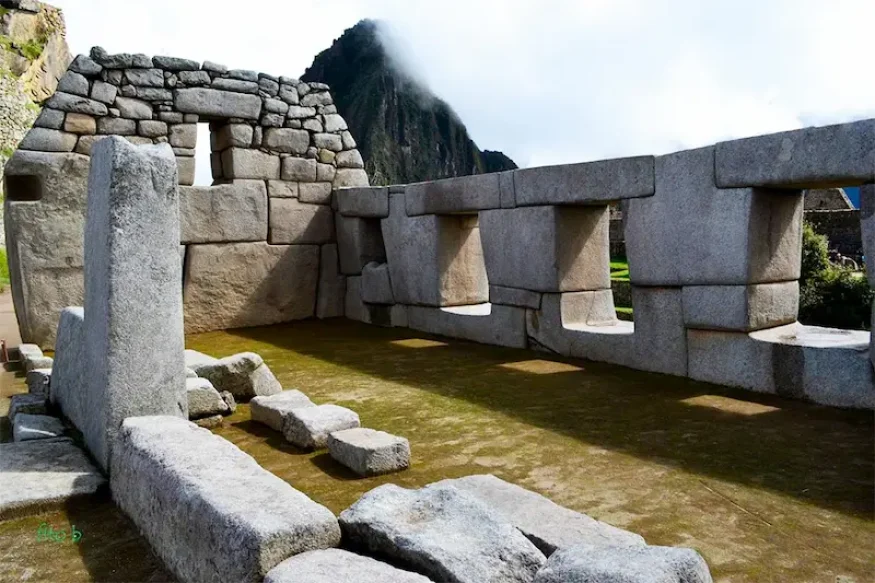
Temple of the Three Windows: A Sacred Portal in Machu Picchu
Table of Contents
- 1 What Is the Temple of the Three Windows?
- 2 What Do the Windows Represent?
- 3 History and Mythology of the Temple
- 4 Discovery and Documentation
- 5 The Temple’s Architectural Features
- 6 Spiritual Significance of the Temple
- 7 Connection to the Inca Trail and Machu Picchu
- 8 Comparisons With Other Inca Structures
- 9 Why Visit the Temple of the Three Windows?
- 10 Best Time to Visit the Temple
- 11 Tips for Visiting
- 12 A Gateway to the Inca Cosmos
The Temple of the Three Windows is one of the most iconic structures within the Inca citadel of Machu Picchu. Located in the Sacred Plaza, this well-preserved marvel reflects the Inca Empire’s architectural sophistication, spiritual beliefs, and mythological worldview. Whether you arrive via the Inca Trail or on a day trip to Machu Picchu, the Temple of the Three Windows is a powerful reminder of the sacredness embedded in this ancient site.
What Is the Temple of the Three Windows?
Situated in the hanan sector (upper part) of Machu Picchu, the Temple of the Three Windows is a rectangular building with three large trapezoidal windows carved into one of its finely constructed stone walls. This design is not just structurally sound—it carries deep religious and symbolic meaning.
What Do the Windows Represent?
The three windows represent the fundamental tripartite cosmology of the Incas:
Hanan Pacha – The upper or heavenly world, home of the gods and stars.
Kay Pacha – The earthly or material world, where humans dwell.
Uku Pacha – The lower or underworld, associated with ancestors and the spiritual realm.
These three realms were central to Inca philosophy and religious practices. Through the trapezoidal shape of the windows, the Incas sought to reflect cosmic order in their architecture.
History and Mythology of the Temple
According to Inca legend, the Ayar brothers, mythical founders of the Inca civilization, emerged from three caves in a sacred mountain. Many scholars believe the Temple of the Three Windows was built to honor this legend, with the three windows symbolizing these ancestral origins.
The temple’s location within the Sacred Plaza reinforces its importance in religious ceremonies and its role in connecting the Inca elite to both myth and divine order.
Discovery and Documentation
Though Agustín Lizárraga reached Machu Picchu in 1902 and left his name inscribed in the area, it was Hiram Bingham, the Yale historian, who brought global attention to the site in 1911. Bingham noted the Temple of the Three Windows as one of the most striking examples of Inca architecture.
Built with massive stones using the dry-stone technique, the temple’s structural integrity has withstood centuries of earthquakes and natural erosion.
The Temple’s Architectural Features
The building measures roughly 10 meters long and 4 meters wide. It has:
Three large trapezoidal windows on the eastern wall.
Finely polished stones, aligned with astronomical precision.
A fourth opening (possibly a door or symbolic niche).
Its orientation offers views toward Huayna Picchu and the Machu Picchu mountains, highlighting the Incas’ emphasis on landscape harmony and celestial alignment.
Spiritual Significance of the Temple
The temple’s role in Inca rituals likely included:
Sun worship and astronomical observations.
Ceremonies marking solstices or equinoxes.
Initiations and offerings to the gods.
As part of the Sacred Plaza, it would have served as a setting for high priests and nobility to perform rites linking the Inca Empire with the divine.
Connection to the Inca Trail and Machu Picchu
For those trekking the Inca Trail, arriving at Machu Picchu and stepping into the section of Machu Picchu that houses the Temple of the Three Windows is a spiritual climax. After days of traversing Andean peaks and cloud forests, the trip to Machu Picchu culminates in encountering structures like this, which embody the Incas’ spiritual and cultural legacy.
Its visibility from the Intipunku (Sun Gate) also highlights its symbolic prominence upon entry into the Inca citadel.
Comparisons With Other Inca Structures
The trapezoidal shape of the windows and doorways is consistent with other Inca structures, designed to withstand seismic activity. However, the Temple of the Three Windows stands out for the size of its openings and the precision of its masonry.
Unlike purely residential or administrative buildings, this temple’s refined construction and strategic placement suggest a role beyond functionality—one rooted in cosmology and state ideology.
Why Visit the Temple of the Three Windows?
Among all the wonders within Machu Picchu, the Temple of the Three Windows offers a perfect blend of mythology, engineering, and sacred space. Its position allows you to:
View the Machu Picchu mountains in their full glory.
Reflect on Inca religious beliefs and their cosmic worldview.
Connect spiritually to the Inca Trail and its ancient purpose.
Whether you’re a history enthusiast, a spiritual seeker, or a casual traveler, the site leaves a lasting impression.
Best Time to Visit the Temple
Machu Picchu is open year-round, but the dry season (May to September) offers the best visibility and weather conditions for exploring the site and capturing stunning photos of the Temple of the Three Windows.
Visiting early in the morning or late in the afternoon allows for a more tranquil experience away from peak crowds.
learn more about Best time to visit Machu Picchu.
Tips for Visiting
Hire a guide to gain deeper insight into the temple’s cultural and religious context.
Respect the site: Do not lean on or touch the stonework.
Bring a camera: The light filtering through the windows creates breathtaking images.
Combine your visit with other nearby landmarks like the Main Temple, Intihuatana, and Temple of the Sun.
A Gateway to the Inca Cosmos
The Temple of the Three Windows is more than a stone structure—it’s a physical representation of the Inca Empire’s belief in the balance between worlds. Its windows open to the heavens, the earth, and the underworld, mirroring the Incas’ understanding of life, death, and cosmic order.
Whether you view it as a monument to myth, a feat of engineering, or a place of spiritual energy, the temple invites you to step into the heart of Machu Picchu and reflect on a civilization that saw no separation between stone and spirit, mountain and meaning.
Don’t miss the opportunity to explore this unforgettable section of Machu Picchu—a sacred space that connects you directly with the universe of the Inca Trail, the legacy of Hiram Bingham, and the enduring spirit of Kay Pacha, Hanan Pacha, and Uku Pacha.
Are you ready to live one of the most incredible experiences on the planet?
Machu Picchu is not only a wonder of the world, it is a journey that transforms your soul.
Machu Picchu Tickets, makes your dream of seeing the sacred city of the Incas come true with tours carefully designed for all styles of travelers. Whether you’re looking for an epic hike along the Inca Trail, a scenic train tour or a private getaway, we have the perfect trip for you.
Normally booked 60 days in advance.

