
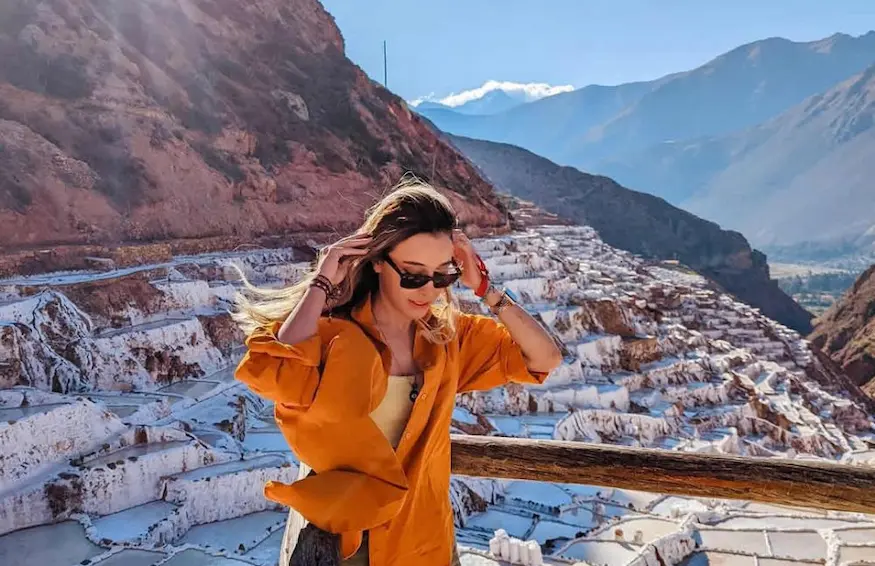
Have you ever wondered where the Incas cultivated their empire’s strength before building Machu Picchu? Nestled between the Andean peaks and nourished by the winding Urubamba River, the Sacred Valley is more than a scenic detour—it’s a journey into the soul of Andean civilization. Whether you’re planning a trip to the Sacred Valley as a day trip or a multi-day adventure, this sacred landscape offers unmatched beauty, cultural richness, and living history.
What Is the Sacred Valley and Why Is It So Important?
The Valley of the Incas, or Sacred Valley, was once the agricultural, spiritual, and political heart of the Inca Empire. Stretching between Cusco and Machu Picchu, this lush region lies at a lower sea level than the city of Cusco, making it a comfortable stop for acclimatization before tackling high-altitude hikes like the Inca Trail.
The Incas chose this valley for its fertile lands and unique climate. Today, the same agricultural terraces (Inca terracing) that once fed a mighty empire still decorate the hillsides, testifying to the ingenuity of this ancient civilization.
What Can You See on a Sacred Valley Tour?
Most Sacred Valley tours begin in Cusco and visit key highlights along the route to Machu Picchu. These include remarkable archaeological sites, colorful local markets, and small towns in the Sacred Valley that are still deeply rooted in Inca tradition.
Pisac: Terraces, Ruins, and a Vibrant Market
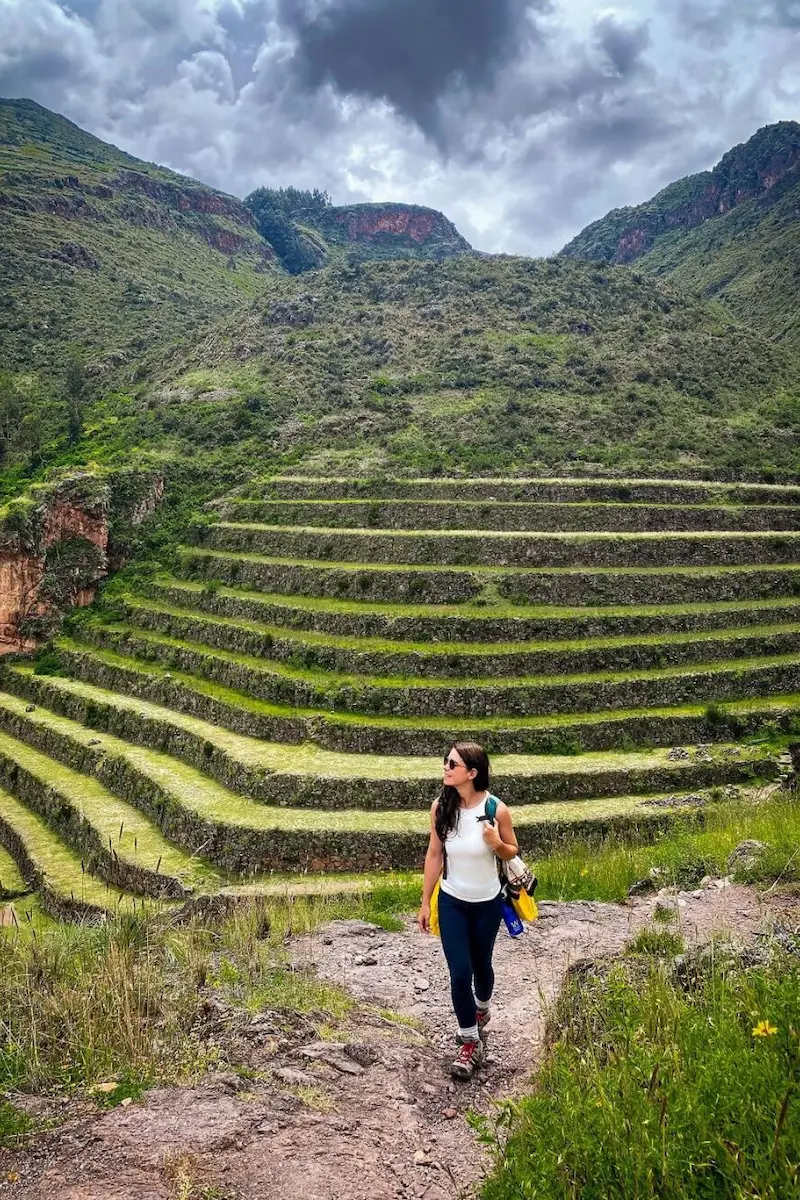
First on many itineraries is Pisac, a picturesque town known for its massive Inca ruins and bustling artisan market. The agricultural terraces here are among the most impressive in Peru, cascading down the mountainside with breathtaking symmetry.
Above the town, the archaeological site offers sweeping views of the Urubamba River below. This site includes ceremonial baths, religious altars, and military outposts—clearly built to honor both Mother Earth (Pachamama) and the strategic needs of the empire.
Ollantaytambo: The Last Inca Stronghold
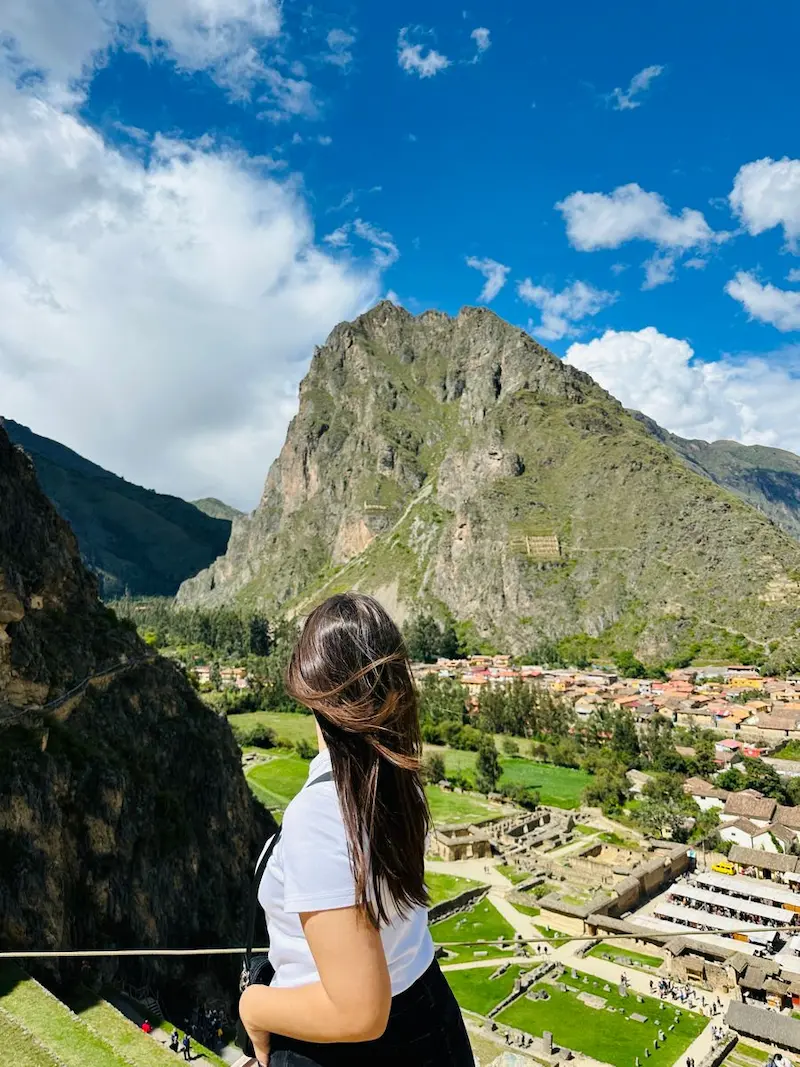
Often called a living Inca town, Ollantaytambo is a must-see. The streets, aqueducts, and buildings date back to the 15th century and remain in use. The monumental fortress that looms over the town showcases masterful stonework and was the site of a rare Inca victory against the Spanish.
This is also where many travelers board the train or start the Inca Trail to visit Machu Picchu. But Ollantaytambo itself deserves time—especially for those fascinated by history, architecture, or the mysticism of the Andes.
Maras Salt Mines: Nature Meets Engineering
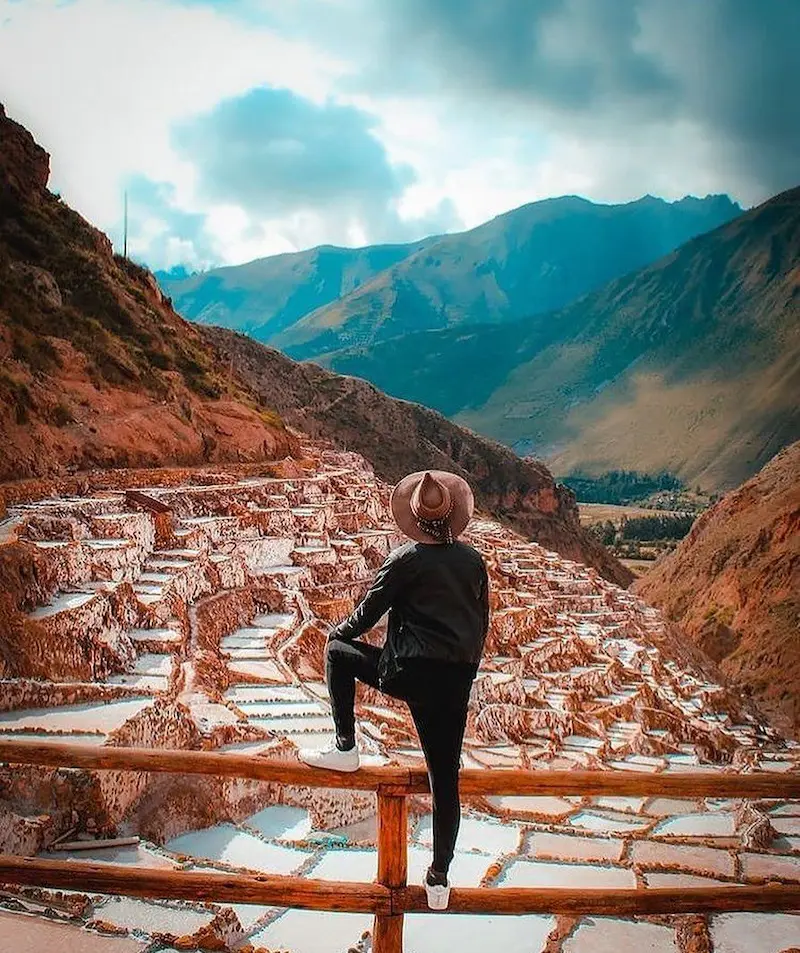
The Maras salt ponds offer a glimpse into pre-Inca and Inca-era ingenuity. Thousands of terraced salt pools are carved into the mountainside and fed by a single subterranean spring. The salt is harvested using ancient techniques and is still a staple for local communities.
Walking among the stark white pools against a red mountain backdrop feels like stepping into another planet—one shaped by the harmony between human and nature.
Moray: A Mysterious Agricultural Laboratory

Just a short drive from Maras, Moray features concentric circular depressions that form enormous agricultural terraces. Believed to be a kind of botanical laboratory for the Incas, the site enabled them to simulate different climate zones.
Each level has a different temperature, allowing various crops to be tested for altitude resistance and productivity. This experimental site showcases the scientific sophistication of the Inca Empire and their relationship with Mother Earth.
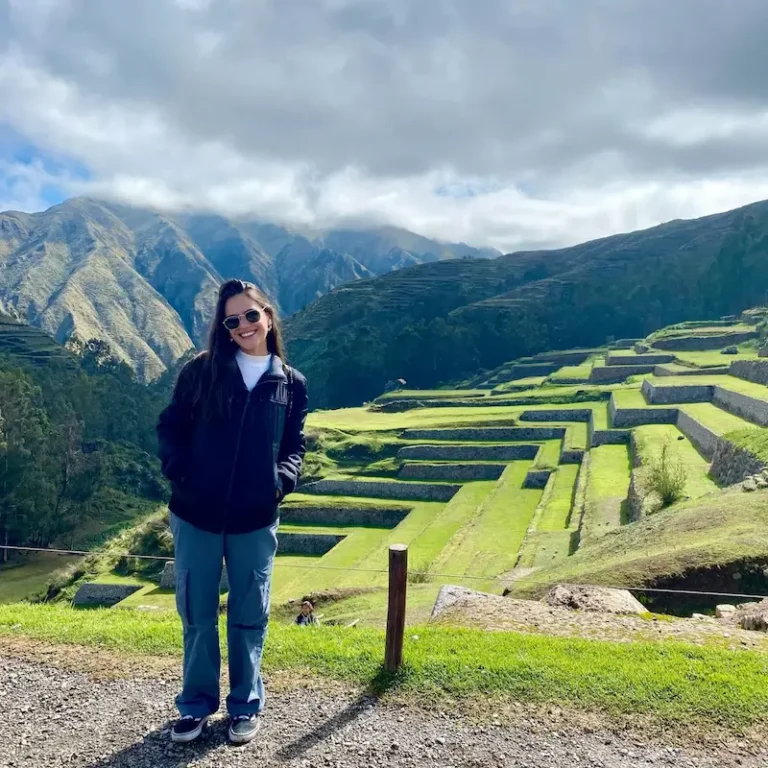
Duration: Full day
Location: Cusco, Peru
Explore the heart of the Inca Empire on this unforgettable full-day tour of the Sacred Valley. Visit iconic archaeological sites like Pisac, Ollantaytambo, and Chinchero, while enjoying breathtaking Andean landscapes, local markets, and vibrant culture.
What Activities Can You Do in the Sacred Valley?
The Sacred Valley isn’t just for sightseeing—it’s a playground for adventure and cultural immersion.
Horseback Riding Through Inca Landscapes
One of the most unique ways to experience the valley is through horseback riding. With experienced guides, you can ride along ancient trails, visit secluded ruins, and take in panoramic mountain vistas. These excursions often connect Cusco with remote sites in the Sacred Valley, ideal for those looking to go off the beaten path.
Explore Living Culture in Local Communities

Many Sacred Valley tours include visits to local communities like Chinchero or Huilloc, where Andean families maintain centuries-old customs. Here, you’ll witness demonstrations of textile weaving, with natural dyes extracted from native plants and insects such as cochineal.
These interactions not only support local communities economically, but also help preserve Indigenous identity and ancestral knowledge.
Visit the Temple of the Sun in Chinchero
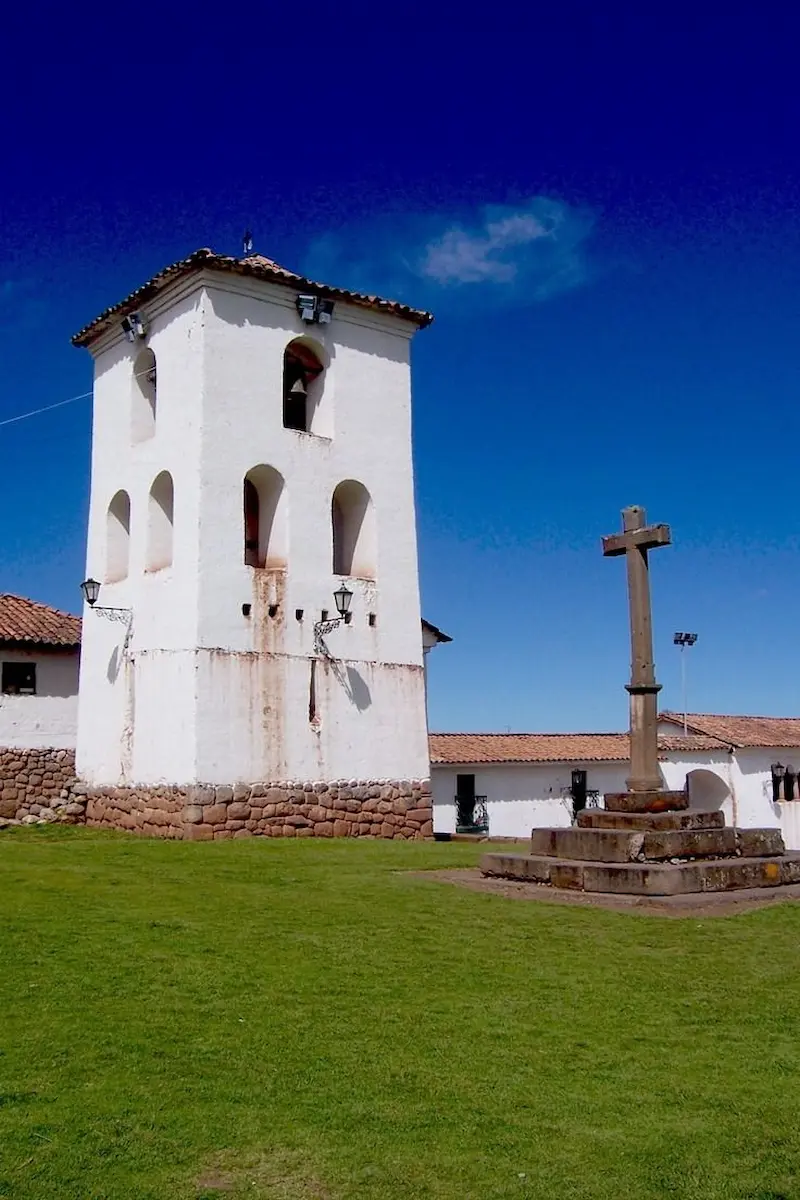
Chinchero is home to one of the most revered colonial churches, built atop the foundations of an Inca ruin. This site includes a sacred Temple of the Sun, a symbol of continuity between the spiritual beliefs of the Inca and the Catholic faith imposed by the Spanish. The fusion of cultures is palpable in every stone, altar, and mural.
Why the Sacred Valley Is Perfect for Acclimatization
Due to its elevation—typically around 2,800 meters (9,200 feet) above sea level—the Sacred Valley is an ideal place to begin your Peruvian adventure. If you’re planning to hike the Inca Trail or visit Machu Picchu, starting here helps your body adjust gradually to the altitude.
Spending a couple of days exploring the valley can make your entire trip more enjoyable and safer, especially if you’re prone to altitude sickness.
How to Plan Your Trip to the Sacred Valley
You have several options when planning your trip to the Sacred Valley. Here are a few tips to make the most of your journey.
Full-Day Sacred Valley Tour
A day trip from Cusco covers highlights like Pisac, Ollantaytambo, and Chinchero. Most tours include transportation, entrance fees, and a traditional buffet lunch. This is a great option if you’re short on time but still want a rich experience.
Multi-Day Cultural Experience
For a deeper dive, consider multi-day Sacred Valley tours that allow you to explore at a slower pace. These tours often include homestays, hikes, and lesser-known sites not visited by day-trippers.
Independent Exploration vs. Guided Tour
While it’s possible to explore independently by car or public transportation, having a local guide enhances your understanding of the valley’s history and living traditions. Guides share stories, decode symbols at archaeological sites, and facilitate interactions with locals.
Sacred Valley vs. Machu Picchu: Which Should You Prioritize?
Many travelers come to Peru with the sole aim of visiting Machu Picchu. While the citadel is certainly a must-see, limiting your visit to just that misses the broader story.
The Sacred Valley is where that story begins. Here, the Inca planned, farmed, worshipped, and built the foundations of their world. You’ll find more interaction with locals, more opportunities for adventure, and a clearer view of Inca cosmology.
If time allows, spend at least two days in the valley before continuing to Machu Picchu or embarking on the Inca Trail. It adds both cultural depth and physical comfort to your trip.
Sustainable Travel in the Sacred Valley
Responsible tourism is essential in such a culturally and environmentally rich area. Choose tours that support local communities, respect sacred sites, and promote environmental stewardship.
Many Indigenous groups in the Sacred Valley see tourism as a way to reconnect younger generations with their heritage. Your respectful presence helps sustain these efforts.
Why the Sacred Valley Belongs on Every Itinerary
The Sacred Valley is not just a stopover en route to Machu Picchu. It’s a destination in its own right—where ancient landscapes meet vibrant culture, where the spirit of the Inca Empire still lingers, and where Mother Earth continues to nourish body and soul.
Whether you’re drawn by archaeological sites, enchanted by agricultural terraces, or yearning for horseback riding through timeless trails, the Sacred Valley invites you to slow down, connect, and rediscover wonder.

