

The Inca civilization, one of the most fascinating cultures in South American history, was deeply spiritual. Their pantheon of Inca gods reflected the forces of nature, celestial bodies, and fundamental aspects of life. Understanding these gods is essential for anyone who wants to fully appreciate the legacy left behind in places like Machu Picchu, Cusco, and the Sacred Valley.
In this article, we will dive into the major Inca deities, their roles, how they influenced everyday life, and how their worship shaped the architectural marvels still standing today.
Who Were the Inca Gods?
The Inca gods formed a complex and hierarchical system of divine beings. At the top stood creator deities responsible for the universe’s formation, followed by gods of the sun, moon, earth, sea, and mountains. These divine figures were revered through ceremonies, sacrifices, and monumental temples.
For the Incas, gods were not distant entities; they lived in nature and actively participated in daily life. Their spirituality blended natural observation, astronomy, and practical worship.
The Main Inca Gods and Their Significance
Let’s explore the principal figures of the Inca religious world:
1. Viracocha: The Creator God

Viracocha is considered the supreme deity among the Inca gods. According to legend, he emerged from Lake Titicaca during a time of chaos and darkness. He created the sun, the moon, the stars, humanity, and all aspects of the world before disappearing across the ocean.
Attributes:
Creator of the universe, bringer of civilization, and teacher of morals.Worship:
Viracocha was worshiped throughout the empire, but no grand temples exclusively dedicated to him have been found, suggesting a more philosophical than ritual devotion.
2. Inti: The Sun God

Inti, the god of the sun, was the most revered deity in the daily lives of the Incas. As the source of warmth, growth, and prosperity, Inti symbolized power and life itself.
Attributes:
Sunlight, agricultural fertility, royal legitimacy.Worship:
Temples like Coricancha in Cusco were built in his honor, covered in gold to reflect his brilliance. The Inti Raymi Festival, still celebrated today, honors his life-giving force, particularly around the summer solstice.
The Inca emperor was considered a direct descendant of Inti, reinforcing the divine right of rulers.
3. Mama Quilla: The Moon Goddess

Mama Quilla was the goddess of the moon and was deeply revered, especially among women. She represented marriage, the menstrual cycle, and the regulation of time through lunar phases.
Attributes:
Feminine fertility, protector of women.Worship:
Mama Quilla had her own temples and was often invoked during festivals and ceremonies linked to fertility and agricultural cycles.
4. Pachamama: The Earth Goddess
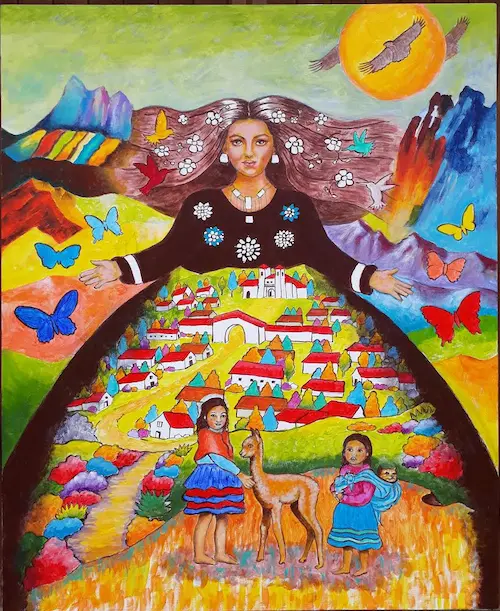
One of the best-known Inca gods today is Pachamama, the goddess of the earth and fertility. She was considered a nurturing mother who provided crops and life but could also cause earthquakes when angered.
Attributes:
Agriculture, harvests, nature’s cycles.Worship:
Offerings called “pago a la tierra” (payment to the earth) are still made today, especially during sowing and harvesting seasons.
5. Illapa: The Weather God
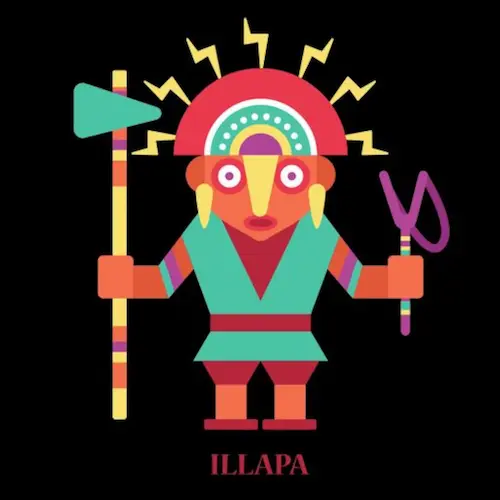
Illapa, also known as Apu Illapa, governed thunder, lightning, and rain. Given the importance of agriculture to the Incas, his favor was crucial.
Attributes:
Storms, rainfall, military strength.Worship:
Farmers would make offerings to Illapa in times of drought or excessive rain.
6. Mama Cocha: The Sea Goddess 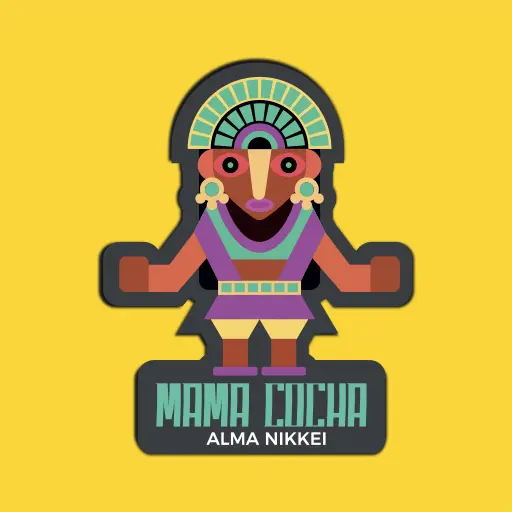
Mama Cocha, goddess of the sea and protector of fishermen, controlled coastal waters, lakes, and rivers.
Attributes:
Water resources, fishing, sea travel.Worship:
Coastal communities made offerings to her for safe voyages and abundant fish catches.
7. Other Important Deities
Supay: God of death and ruler of the underworld.
Apus: Sacred mountain spirits worshiped individually across the Andes. Each mountain was thought to house an Apu spirit.
Chasca: Goddess of the dawn and twilight, protector of young maidens and flowers.
The Relationship Between Inca Gods and Nature
Nature and divinity were inseparable in Inca beliefs. Rivers, mountains, rocks, and even caves were considered sacred, often linked to particular gods or spirits.
For example:
Huayna Picchu Mountain was seen as a guardian over Machu Picchu.
The Urubamba River was revered as a divine pathway that encircled sacred lands.
Construction is dedicated to the sun at places like Machu Picchu, showcasing deep integration between architecture and divine elements.
Thus, every action—from planting crops to building cities—was performed with respect and offerings to the gods.
Temples and Ceremonial Sites Dedicated to the Inca Gods
The Incas constructed elaborate temples to honor their gods. Some of the most famous include:
Coricancha (Temple of the Sun):
The most important religious site in Cusco, once adorned with solid gold panels dedicated to Inti.The Sun Temple at Machu Picchu:
A semi-circular temple built precisely to align with the summer solstice sunrays.The Temple of the Moon (Machu Picchu):
A hidden ceremonial shrine possibly dedicated to Mama Quilla, located inside a cave on Huayna Picchu Mountain.
These sites were strategically placed to align with celestial events, especially during summer solstices and winter solstices, reflecting the Incas’ astronomical sophistication.
Rituals and Ceremonies Honoring the Inca Gods
The Incas performed rituals to honor and appease their gods regularly. These ceremonies included:
Offerings (Sullu):
Gifts of coca leaves, animals, and sometimes valuable textiles or jewelry.Capacocha:
Human sacrifices during particularly important events, such as the emperor’s death or severe natural disasters.Seasonal Festivals:
Festivals like Inti Raymi and Qhapaq Raymi involved days of processions, dances, and offerings timed to seasonal changes like the dry season and the rainy season.
The Fall of the Inca Religion and Its Legacy
With the arrival of Spanish conquistadors in the 16th century, the worship of the Inca gods was violently suppressed. Temples were destroyed or converted into Christian churches. However, many indigenous beliefs persisted underground and have blended with Catholicism over time.
Today, in modern Peru, Bolivia, and Ecuador, remnants of Inca spirituality survive through festivals, agricultural rituals, and the continued reverence of natural sites like sacred mountains and rivers.
Why the Inca Gods Matter Today
The Inca gods represent a profound connection between humanity, nature, and the cosmos. They shaped not only the religion but also the architecture, agriculture, and social structure of one of the world’s greatest empires.
By understanding the Inca divine pantheon, travelers and scholars alike can gain deeper insight into how the city of Machu Picchu, the entrance to Machu Picchu, and the surrounding Andean world were designed — not just as feats of engineering but as sacred landscapes aligned with the will of the gods.
Today, the spirit of the Inca gods continues to whisper through the stone walls of archaeological sites, the swirling mist over the Urubamba River, and the sunrays striking the Sun Gate at Machu Picchu during the solstices. They remind us of a time when every element of life was intertwined with the sacred forces of the universe.

