
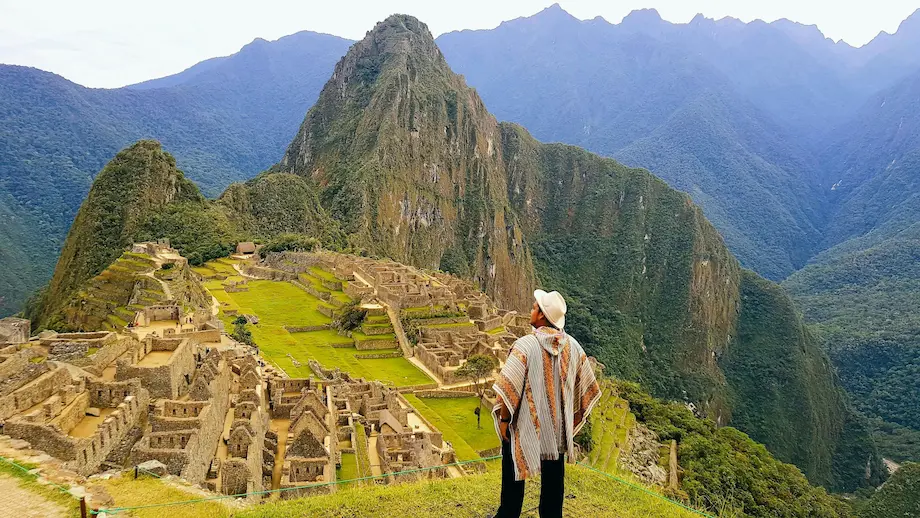
MACHU PICCHU IN FEBRUARY
Visiting Machu Picchu in February offers a unique experience with lush green landscapes, misty sunrises, and fewer tourists. Although the peak of the rainy season is in Cusco, and the Inca Trail is closed for maintenance, Machu Picchu remains open. Most travelers reach the site by train from Cusco through the Sacred Valley to Aguas Calientes. This guide explains the pros and cons, weather conditions, and travel tips to help you prepare for visiting Machu Picchu in February.
When is the best time of the day to visit Machu Picchu in February?
The best time to visit Machu Picchu in February is between 9 a.m. and 12 p.m. when the fog begins to lift and visibility improves. Early morning visitors often face heavy cloud cover, while afternoons bring a higher chance of rain or thunderstorms. Mid-morning offers the clearest views and ideal lighting, making it the perfect window for exploring Machu Picchu in February.
Things To Know About Machu Picchu in February
- Fewer crowds make February one of the most peaceful times to visit Machu Picchu. As part of the low season, tourist numbers drop significantly—especially toward the end of the month—allowing travelers to enjoy quiet trains, short lines, and more space at the ruins and in Aguas Calientes.
- February is the wettest month in Machu Picchu, with rain lasting about 20–22 days. Weather can change quickly; brief sunny periods—called veranillos—sometimes appear. The rain brings vibrant greenery and enhances the natural beauty surrounding the citadel.
- February is mild and warm, with daytime highs around 25°C (77°F) and cooler mornings near 12–13°C (mid-50s °F). The mix of warmth and rain creates lush cloud forest scenery, perfect for dramatic photos featuring orchids, flowers, and green hills.
- The Inca Trail is closed in February due to rain-related safety concerns and annual maintenance. While you can’t hike this iconic route, Machu Picchu remains accessible by train, and some alternative treks like Salkantay or Lares may still be available, depending on weather and operator availability.
- Trekking is limited in February, with muddy paths and landslide risks affecting many routes. Most tour companies reduce or cancel treks. If hiking is essential to your visit, plan flexibly or consider visiting in a drier season for better trail conditions.
- Late February brings Carnival celebrations to Aguas Calientes, adding a fun cultural touch to your visit. Expect playful water fights with balloons or buckets—especially from kids. The festive tradition adds color and joy to the Machu Picchu experience.
- Train and bus services operate in February but can be affected by heavy rain, landslides, or flooding. To prevent disruptions to your itinerary, add extra time and maintain flexibility when traveling to or from Machu Picchu.
- Wet conditions in February make some areas around Machu Picchu—such as stone steps and trails like the Sun Gate—slippery. Wear suitable footwear, check forecasts, and be aware that the Urubamba River may rise and occasionally impact access, though such events are rare.
Pros Of Visiting Machu Picchu in February

Visiting Machu Picchu during the wet month of February comes with several advantages:
- February brings a peaceful atmosphere to Machu Picchu, allowing for a more intimate experience. With fewer tourists, visitors can enjoy quiet moments at key sites like the Temple of the Sun, take uncrowded photos, and relax without the usual rush on buses or train stations.
- Machu Picchu takes on a mystical atmosphere in February, with swirling clouds and mist creating dramatic, dreamlike views. When the sun breaks through, the light adds a magical touch—ideal for photographers seeking ethereal shots of the ancient site.
- February’s rains bring lush greenery and blooming wildflowers to Machu Picchu. The terraces and peaks like Huayna Picchu are covered in vibrant vegetation, offering a stunning natural backdrop that nature lovers won’t find during the drier months.
- With fewer visitors in February, you’ll enjoy more personal moments with the llamas of Machu Picchu. These friendly animals roam freely and often appear in photos, giving you better chances to interact and capture pictures without the usual crowds.
- February is Peru’s low season, making it easier to find discounts on tours, hotels, and travel packages to Machu Picchu. With lower prices and more availability in Cusco and the Sacred Valley, this month is a budget-friendly option compared to the high season.
- In February, lower demand makes buying last-minute Machu Picchu entry and train tickets easier—even a day or two before. This flexibility is excellent for spontaneous travelers, though booking in advance for preferred time slots or fixed schedules is still bright.
Cons of Visiting Machu Picchu in February
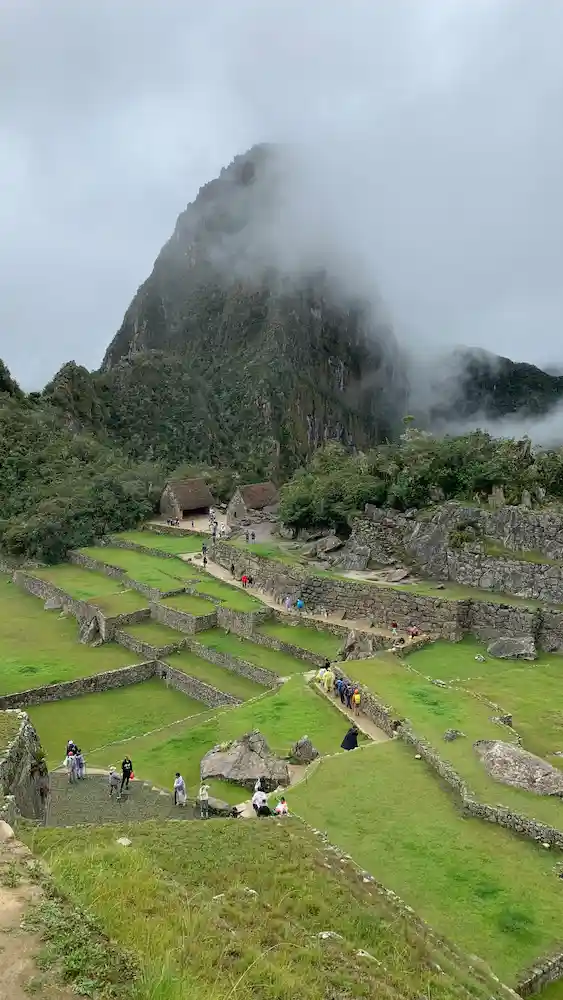
Traveling to Machu Picchu in February also comes with some significant drawbacks to consider:
- The frequent rain and fog are substantial downsides to visiting Machu Picchu in February. From drizzle to heavy downpours, weather conditions can limit visibility—especially in the mornings. Due to dense cloud cover, hikes to viewpoints like Huayna Picchu or the Sun Gate may offer little to no views.
- Rain makes the stone paths and trails around Machu Picchu muddy and slippery in February. Walking requires caution, especially if hiking between Aguas Calientes and the citadel. Waterproof boots and rain gear are essential to navigate the slick terrain safely.
- Heavy rains in February can lead to landslides or mudslides, occasionally disrupting train or road access to Aguas Calientes. While clean-up efforts are usually fast, delays are possible. Avoiding tight travel schedules and allowing buffer time in your itinerary is best.
- February limits hiking opportunities at Machu Picchu. The Inca Trail is closed, and alternative hikes or trails like the Inca Bridge route may also be unavailable or less enjoyable due to heavy rain. Outdoor activities around Cusco can also be affected, so having rainy-day backup plans is essential.
- Even with quality rain gear, getting wet in February is likely. Sudden showers and high humidity mean clothes and gear may stay damp. Identifying staff can also be more challenging, as everyone wears ponchos or raincoats, and visibility is sometimes low.
- Machu Picchu’s warm, wet climate attracts mosquitoes—especially after rain. In February, insect bites are more common, so repellent is necessary. High humidity also makes it difficult to dry clothes or shoes overnight, and waterproof bags are recommended to keep gear dry.
- Heavy rain can raise the Urubamba River near Aguas Calientes. While rare, extreme flooding has disrupted train services in past years. Travelers should stay informed of local weather advisories, especially after several days of rain.
Recommendations
If you decide to embrace a February trip to Machu Picchu, here are some key recommendations to make your experience as smooth and enjoyable as possible:
- Avoid booking return flights or buses the same day you leave Aguas Calientes. Train delays or weather issues are more common in February, so include at least one buffer day in your itinerary to ensure a stress-free return from Machu Picchu.
- Mid-morning (around 9–10 a.m.) offers the best chance for clear views in February. Early mornings are usually foggy, while afternoons are more prone to rain. Scheduling your visit for this window gives you better conditions overall. You can be early enough to avoid afternoon downpours that might roll in later.
- February visitors should wear closed-toe hiking shoes, breathable layers, and carry rain protection like a poncho or rain jacket. Long sleeves and pants help with sun, rain, and mosquitoes. Be ready for changing weather throughout the day.
- Use zip-lock or dry bags to keep electronics dry, and bring a waterproof cover for your backpack. Sudden rain is common, so having this extra protection helps keep your gear safe and dry during your visit to Machu Picchu.
- Clear skies don’t last long in February, so take photos and visit key viewpoints as soon as the weather allows. Don’t wait—conditions can shift quickly, and early action increases your chances of capturing Machu Picchu’s best views.
- For a once-in-a-lifetime trip, plan to visit Machu Picchu over two days. This improves your chances of getting at least one clear day, especially in February’s unpredictable weather. A second day also allows a more relaxed pace or a mountain hike.
- Check weather forecasts and train service updates (Peru Rail or Inca Rail), and ask locals or your hotel for the latest trail or road conditions. Staying updated helps you adapt your plans and avoid surprises during your Machu Picchu adventure.
When do Machu Picchu tickets for February sell out?
Machu Picchu tickets are easier to get in February, often available just a day or two in advance due to lower demand. However, mid-morning entry times (9:00–11:00 a.m.) can still sell out a few days ahead, as they offer the best weather. For fixed plans, book at least a week in advance. Flexible travelers can usually buy tickets on short notice. Always purchase through official sources and bring your passport for entry.
Packing List for Machu Picchu in February
Preparing the right gear will make your February visit to Machu Picchu much more comfortable. Here’s a packing list of essentials and valuable items to bring for the rainy season:
- Waterproof Jacket: A durable rain jacket with a hood is essential. Look for one that is breathable but will keep you dry during sudden downpours. You’ll likely wear or carry this every day.
- Poncho: In addition to a rain jacket, pack a lightweight poncho. You can use a poncho to cover yourself and your backpack during heavy rain (and it’s a good backup if your jacket gets soaked). In Aguas Calientes and Cusco, cheap plastic ponchos are sold everywhere—it might be worth buying one for extra protection.
- Moisture-Wicking Layers: Bring comfortable clothing that dries quickly. Pack a few quick-dry t-shirts or long-sleeve base layers and a warm mid-layer like a fleece. These will help you adapt to changing temperatures and keep you warm if they get damp. Avoid cotton, as it stays wet; opt for synthetic or merino wool layers that wick moisture.
- Waterproof Pants: Having a pair of waterproof or water-resistant trekking pants will save you from walking around in wet trousers all day. You can also bring rain pants (over-pants) that you pull on when it starts raining. If you don’t have rain pants, at least get an extra pair of pants to change into something dry after visiting the site.
- Trekking Shoes/Boots: Sturdy, waterproof hiking shoes or boots with good traction are necessary. The ground can be very slippery, so you’ll want footwear that supports your ankles and prevents falls. Make sure they are broken in before your trip to avoid blisters. Also, pack some extra socks (including thick hiking socks) — stepping in a puddle with one foot is all it takes to need a dry pair.
- Sun Hat and Sunglasses: Even in the rainy season, the sun does come out and can be intense at high altitudes. A wide-brimmed hat or cap will shield you from the sun (and light rain), and sunglasses will help on those bright, blue-sky moments. These also come in handy if you stay in Cusco, which can have intense sun between showers.
- Backpack (Daypack): Use a small backpack (under 25 liters) for your daily excursions to Machu Picchu. Large backpacks are not allowed into the ruins, so keep them daypack-sized. This bag will carry your water, snacks, camera, and layers. It should be comfortable and ideally have some water-resistant material.
- Rain Cover or Dry Bags: To dry your daypack’s contents, equip it with a rain cover. Many hiking backpacks come with an integrated rain cover; if not, you can buy one separately. Additionally, bring plastic bags or dry sacks to line the inside of your backpack for extra protection. Place essential items like clothing, electronics, and passports inside these waterproof bags.
- Insect Repellent: The humid climate of the Machu Picchu sanctuary means mosquitoes and sandflies are present, especially in rainy weather. Carry a good insect repellent (preferably with DEET or picaridin) and apply it to exposed skin to avoid itchy bites. Some travelers also wear thin, long sleeves and pants for added protection against bugs.
- Sunscreen: Even though February is cloudy, UV radiation at altitude can be intense, and clouds can cause sunburn. Pack a high-SPF sunscreen for skin not covered by clothing, mainly if the sun breaks through while hiking or exploring.
- Water Bottle: Staying hydrated is essential, especially if you’re doing a lot of walking or if the humidity makes you sweat. Bring a refillable water bottle or hydration bladder. You can fill up at your hotel or buy water in Aguas Calientes (note: single-use plastic bottles are discouraged at Machu Picchu, so a reusable bottle is better for the environment and required by regulations).
- Snacks: Carry light snacks like energy bars, nuts, or fruit for your Machu Picchu visit. In February, the weather might cause you to spend extra time waiting (for rain to stop or trains to depart), and having a snack on hand is helpful. Plus, hiking around the site and at an altitude can deplete your energy. Remember to carry trash with you, as no bins are inside the site.
- Camera with Protection: If you bring a camera, have a protective case or waterproof sleeve. The views are stunning, and you’ll want to take photos, but rain can be unpredictable. Even a simple dry bag or a large zip-lock bag that fits your camera can work in a pinch to keep it dry when not in use.
- Portable Charger: Between taking tons of photos, using your phone for tickets and guides, and possibly waiting out delays (where you might play music or games on your device), your batteries can drain faster in the damp, cool weather. A portable battery pack (power bank) ensures you can recharge your phone or camera on the go. Cold temperatures also cause batteries to lose charge faster, so a backup is excellent.
- Headlamp or Flashlight: This is optional, but carrying a small headlamp can be helpful if you are out early before sunrise or in case of any evening power outages (which can occasionally happen in Aguas Calientes during storms). It’s also handy if you decide to explore any dark corners or if you’re hiking pre-dawn.
- Personal Essentials: Remember to pack individual items like any necessary medications (and extras in case of travel delays), a basic first aid kit (including motion sickness pills if you get train-sick and Imodium just in case), hand sanitizer, and quick-dry travel towels. Also, pack some cash in Peruvian soles for small purchases (like a poncho or hot coffee) since smaller vendors may not accept cards.
Packing smart for Machu Picchu in February is key. With the right gear—like rain protection and layered clothing—you’ll stay dry and comfortable and thoroughly enjoy the experience despite the wet and changing weather.
Final Tip: Visiting Machu Picchu in February requires flexibility and preparation, but it offers a rare, serene perspective of the site. With rain gear, a positive attitude, and a spirit of adventure, you’ll discover this iconic destination’s mystical and memorable side—one few travelers get to experience.
Frequently Asked Questions About Machu Picchu in February
Is February a good time to visit Machu Picchu?
Yes, February is a good time if you value fewer crowds and a peaceful atmosphere. The site feels more intimate, with lush green landscapes and mystical mist. However, be prepared for rain and flexible planning. The dry season (May–September) may suit you better if you prefer sunny, dry conditions.
Does Machu Picchu close in February?
No, Machu Picchu remains open year-round, including February. While the Inca Trail is closed for maintenance, visitors can still reach the site by train and shuttle bus despite occasional weather-related delays.
Should I be concerned about heavy rainfall in February?
Heavy rain is common but manageable with proper gear and a flexible itinerary. Delays or minor disruptions can happen, so travel insurance and buffer time in your schedule are recommended.
Are there still guided tours available in February?
Yes, guided tours operate year-round. You can hire official guides at the entrance or book private tours in advance. However, guided Inca Trail treks are unavailable during February due to the closure.
What should I wear to Machu Picchu in February?
Wear layers, including a waterproof jacket, a moisture-wicking shirt, and lightweight pants. Waterproof hiking boots are essential. Bring a poncho, rain cover for your backpack, insect repellent, and sun protection.
How much does it rain in Machu Picchu in February?
February is the rainiest month, with around 150 mm of rainfall. Expect rain nearly every day, especially in the afternoons. While the rain can be intense, it enhances the area’s lush beauty and dramatic views.
Is it worth going to Machu Picchu in February?
February offers a unique, tranquil experience with vibrant landscapes and fewer crowds. While the weather can be unpredictable, many visitors find the peaceful atmosphere and dramatic scenery well worth it.
What is the average temperature for Machu Picchu in February?
Daytime temperatures range from 20°C to 25°C (68°F to 77°F), with cooler mornings and nights around 10°C to 12°C (50°F to 54°F). Humidity is high, so layering clothes is ideal for comfort.
Is Machu Picchu crowded in February?
No, February is one of the least crowded months. Visitor numbers drop due to rain and trail closures, allowing for a more relaxed and uncrowded visit than peak season.
What is the weather like in Machu Picchu in February?
February weather is warm, humid, and wet. Mornings are often foggy, and there is a mix of sun and rain throughout the day. Afternoon showers and thunderstorms are common. Conditions can change quickly, so come prepared for all types of weather.
Are you ready to live one of the most incredible experiences on the planet?
Machu Picchu is not only a wonder of the world, it is a journey that transforms your soul.
Machu Picchu Tickets, makes your dream of seeing the sacred city of the Incas come true with tours carefully designed for all styles of travelers. Whether you’re looking for an epic hike along the Inca Trail, a scenic train tour or a private getaway, we have the perfect trip for you.
Normally booked 60 days in advance.

