
Sun Gate Machu Picchu: Everything You Need to Know
Table of Contents
- 1 What Is the Sun Gate at Machu Picchu?
- 2 Why Was the Sun Gate Important to the Incas?
- 3 Where Is the Sun Gate Located?
- 4 How to Get to the Sun Gate from Aguas Calientes
- 5 Hiking to the Sun Gate: What to Expect
- 6 Best Time to Visit the Sun Gate
- 7 What Can You See from the Sun Gate?
- 8 Important Tips for Hiking to the Sun Gate
- 9 Can You Visit the Sun Gate Without Hiking the Classic Inca Trail?
- 10 Is the Sun Gate Accessible Year-Round?
- 11 Fun Facts About the Sun Gate
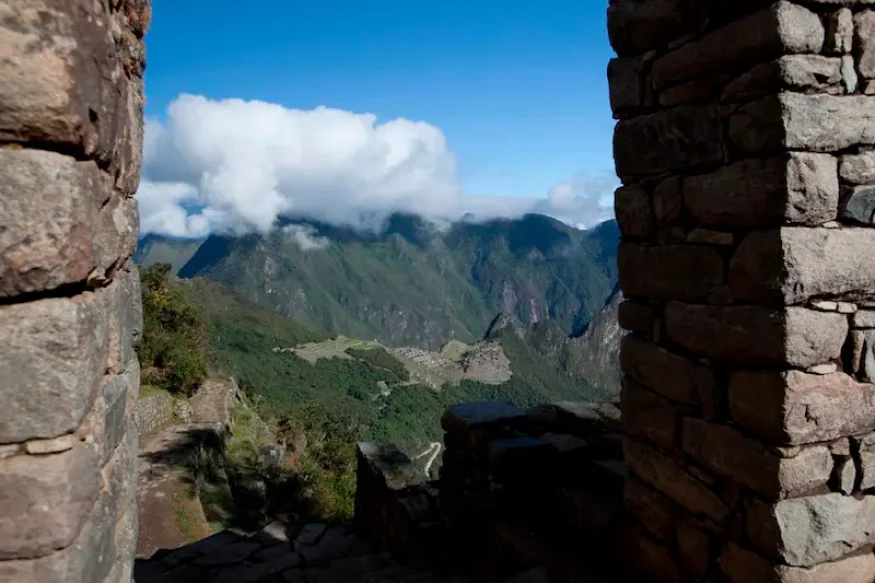
The Sun Gate at Machu Picchu, also known as Inti Punku, is one of the most iconic and spiritually significant points within the entire archaeological site. For many travelers, hiking to the Sun Gate is an unforgettable experience, offering stunning panoramic views of the city of Machu Picchu nestled high in the Andes mountains.
In this guide, we’ll cover everything you need to know about the Sun Gate, including its history, hiking information, best visiting times, and how it connects to important elements like the summer solstice and the Inca civilization.
What Is the Sun Gate at Machu Picchu?
The Sun Gate, or Inti Punku in Quechua, served as the ancient main entrance to the sacred Inca city of Machu Picchu. Constructed with large stones and traditional Inca architecture, this ceremonial gateway was dedicated to the worship of the Sun, the most important deity of the Inca Empire.
Located southeast of the main site, the Sun Gate sits at about 2,720 meters above sea level (approximately 8,924 feet above sea level), providing breathtaking views of Machu Picchu mountain, the Urubamba River, and even the towering Huayna Picchu Mountain.
Why Was the Sun Gate Important to the Incas?
The Sun Gate’s construction was carefully aligned with astronomical events, particularly the summer solstice. During the solstices, the first rays of sunlight would pass directly through the gate, illuminating the sacred city below. This phenomenon highlights the Inca’s deep understanding of astronomy and their devotion to solar worship.
Thus, Inti Punku wasn’t just a physical entrance—it was a spiritual portal marking the city’s connection to the cosmos and Mother Earth.
Where Is the Sun Gate Located?
The Sun Gate is located southeast of the main city of Machu Picchu. To reach it, travelers must hike along a gradually ascending trail starting from within the archaeological site itself.
The path follows part of the original Inca Trail, the network of stone pathways connecting the empire. Standing at the Sun Gate offers one of the most dramatic first glimpses of Machu Picchu, especially magical during the early morning light.
How to Get to the Sun Gate from Aguas Calientes
Most visitors first arrive at Aguas Calientes, the small town at the foot of Machu Picchu, after either taking a train ride through the Sacred Valley or completing a trek.
From Aguas Calientes:
Step 1: Take a Consettur bus or hike up to the entrance to Machu Picchu.
Step 2: Enter Machu Picchu with your admission ticket.
Step 3: Follow the clearly marked paths leading to the Sun Gate (Inti Punku).
(It’s recommended to do this hike early in the morning, especially during the dry season, when skies are clearer.)
Hiking to the Sun Gate: What to Expect
Distance and Time
Distance: About 2 kilometers (1.25 miles) one way.
Hiking Time: Approximately 45 minutes to 1 hour up, and 30 minutes down.
Difficulty Level
Moderate:
The trail is not overly steep but does involve a continuous incline. It’s suitable for travelers with a basic fitness level.
Trail Conditions
During the dry season (May to September), the path is mostly dry, firm, and easy to navigate.
In the rainy season (November to March), the trail can be slippery and visibility may be reduced due to mist.
Best Time to Visit the Sun Gate
The best time to hike to the Sun Gate is during the dry season, when skies are clearer, and the views are unobstructed.
Dry Season: May to September
Rainy Season: November to March
During the summer solstice (around June 21st), visiting the Sun Gate becomes even more special, as you can witness the first sunlight hitting the city of Machu Picchu perfectly aligned through the gate.
What Can You See from the Sun Gate?
From the top, visitors are rewarded with:
A spectacular, panoramic view of Machu Picchu.
The lush Urubamba River snaking around the mountains.
Huayna Picchu Mountain rising behind the citadel.
Nearby peaks of the Andes, covered in vibrant green during the rainy season.
Many describe the moment of reaching the Sun Gate as deeply emotional, as it offers the first full view of the ancient city in its dramatic setting.
Important Tips for Hiking to the Sun Gate
Start Early:
Aim to start your hike before 8:00 a.m. to avoid crowds and enjoy cooler temperatures.Bring Water and Snacks:
Stay hydrated during the hike, but remember: food is not allowed inside Machu Picchu proper, so consume snacks discreetly.Wear Good Footwear:
Hiking boots or sturdy walking shoes are recommended, especially during the rainy season.Prepare for Altitude:
The hike is at high elevation. Take it slow and rest if you feel short of breath.Pack for Weather Changes:
Even during the dry season, weather can shift quickly in the Andes. Bring a light rain jacket just in case.
Can You Visit the Sun Gate Without Hiking the Classic Inca Trail?
Yes!
While those trekking the Classic Inca Trail naturally pass through the Sun Gate to reach Machu Picchu, day visitors who arrive by train and bus can still hike to the Sun Gate from within the main site itself.
This means you don’t have to commit to a four-day trek to experience the incredible views from Inti Punku.
Is the Sun Gate Accessible Year-Round?
In general, yes, the Sun Gate at Machu Picchu is open all year.
However:
During the rainy season, portions of the trail may close temporarily if there is a risk of landslides.
During February, the Classic Inca Trail is closed for maintenance, but access to the Sun Gate via the day hike inside Machu Picchu typically remains open unless extreme weather conditions occur.
Always check current conditions before your visit.
Fun Facts About the Sun Gate
Meaning of Inti Punku:
In Quechua, “Inti” means “Sun” and “Punku” means “Door” — hence “Sun Door” or “Sun Gate.”Strategic Placement:
Ancient Incas aligned the gate perfectly with the summer solstices, reinforcing its ceremonial importance.Architectural Marvel:
The construction is dedicated to the sun and showcases classic Inca masonry techniques: finely cut stones fitted together without mortar.Spiritual Gateway:
For Inca pilgrims, crossing the Sun Gate symbolized a sacred entry into the City of Machu Picchu, a journey of both physical and spiritual significance.
Why You Shouldn’t Miss the Sun Gate at Machu Picchu
Whether you’re an avid hiker, a history enthusiast, or simply a lover of spectacular landscapes, hiking to the Sun Gate at Machu Picchu is an experience you’ll treasure forever. It not only offers one of the best views of the Inca city, but also connects you directly to the ancient spirit of the site.
From the dry season‘s crisp blue skies to the rainy season‘s lush greenery, and from the alignment of the sun during the summer solstice to the awe-inspiring archaeological site, the Sun Gate at Machu Picchu is a testament to the Inca’s brilliance, faith, and deep respect for nature.
Make sure you add this rewarding short hike to your Machu Picchu adventure!
Are you ready to live one of the most incredible experiences on the planet?
Machu Picchu is not only a wonder of the world, it is a journey that transforms your soul.
Machu Picchu Tickets, makes your dream of seeing the sacred city of the Incas come true with tours carefully designed for all styles of travelers. Whether you’re looking for an epic hike along the Inca Trail, a scenic train tour or a private getaway, we have the perfect trip for you.
Normally booked 60 days in advance.

